
The complete guide
How To Choose A Water Filter Jug That Actually Fits Your Kitchen
The problem is rarely the water, it is the jug
Ask around and most people who own a filter jug will tell you the same two things. They like the filtered water. They do not like where the jug lives.
That is the honest state of things in a lot of kitchens. The jug is bought with good intentions, used properly for a fortnight, then slowly migrates to the back of the worktop behind the bread bin. It gets in the way when you are cooking. The water inside it goes lukewarm because the fridge was never an option. Eventually it gets used once a day instead of all day, and the cartridge gets changed when you remember rather than when you should.
So the first question to ask about any water filter jug is not really about filtration. It is about where the thing is going to sit.
Why the shape matters more than the badge
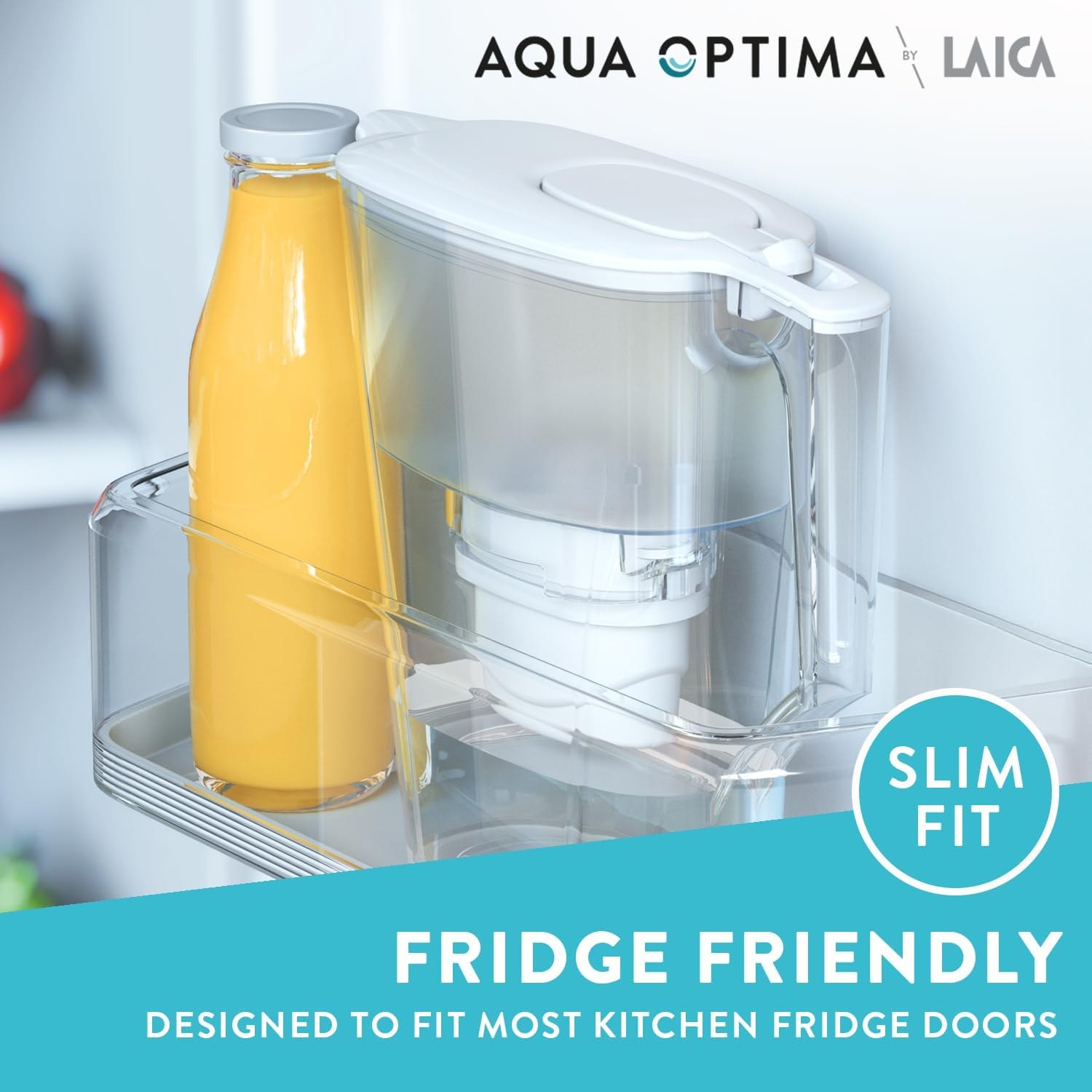
A jug that lives in the fridge solves two problems at once. The water is cold, so you actually want to drink it. And the worktop stays clear, which is a bigger deal in a small kitchen than most product pages admit.
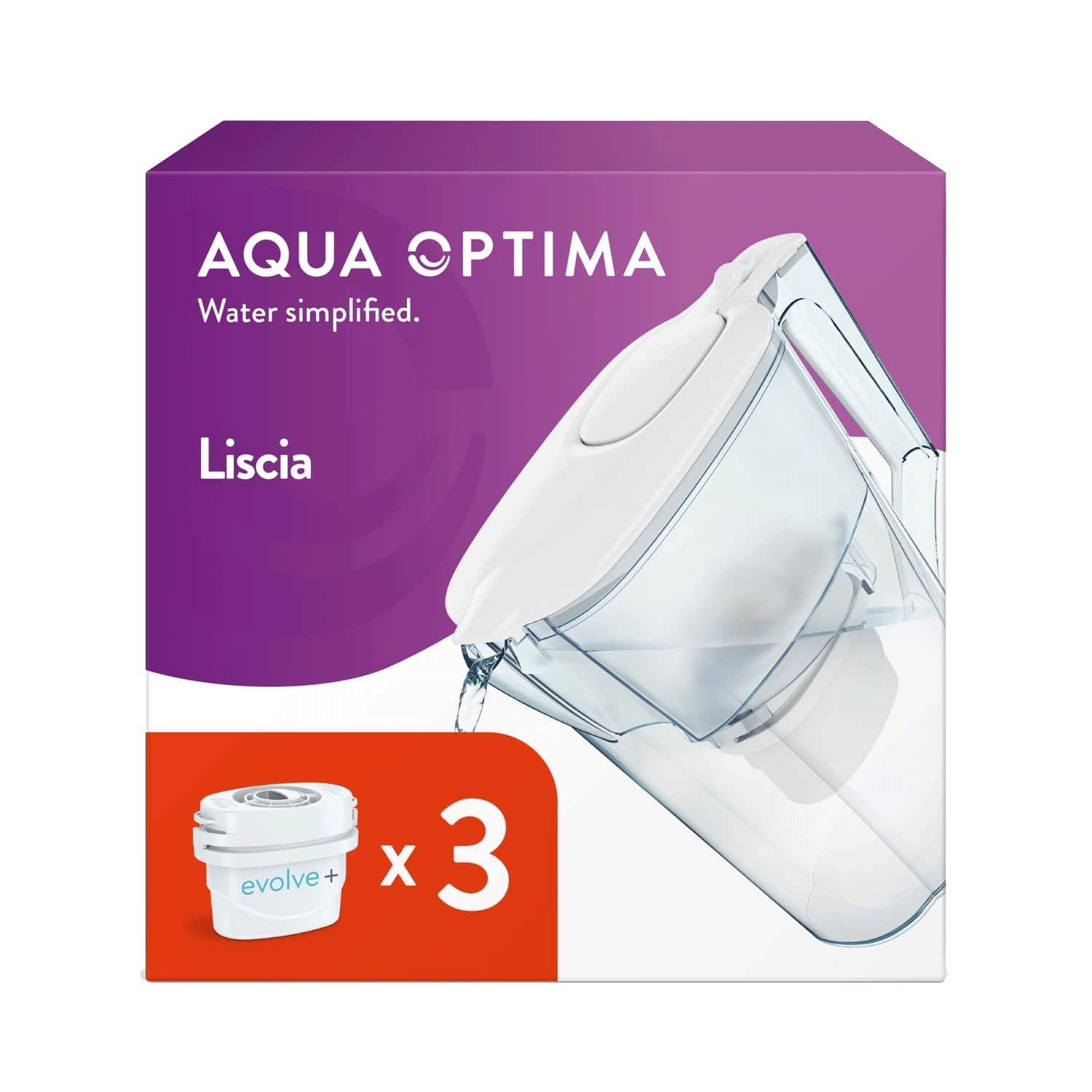
The catch is that fridge door shelves are narrow. A classic jug shape, wide and round with a chunky handle, simply will not go. That is why this one is built long and slim instead, at about 26 cm long, 20 cm wide and 24 cm tall. It takes up shelf length rather than shelf depth, which is the measurement most fridge doors are generous with.
Before you buy anything, go and measure. Open the fridge, pick the shelf you would use, and check the height clearance and how far back the shelf goes. A tape measure takes thirty seconds and saves a return.
How a gravity jug works, briefly
There is nothing clever going on mechanically, which is part of the appeal. You pour tap water into the upper reservoir. Gravity pulls it down through a cartridge and into the main body below. You pour from the spout. That is the whole system.
The cartridge in this jug uses three things working together. A fine mesh filter catches the larger bits of sediment. Activated carbon handles taste and odour, which is the main reason tap water can taste of a swimming pool in some areas. Ion exchange resin beads work on dissolved minerals in the water as it passes.
Those are the materials listed for this product, and the cartridge is described as designed to reduce chlorine taste and odour and sediment. That is a useful, modest job and it is the one it is built for.
It is also worth being clear about the input. This is for drinkable mains (town) water. It is not a treatment system for well water, rainwater, stream water or anything else you would not already pour from your own tap.
Capacity and what 2.5 litres looks like in real life
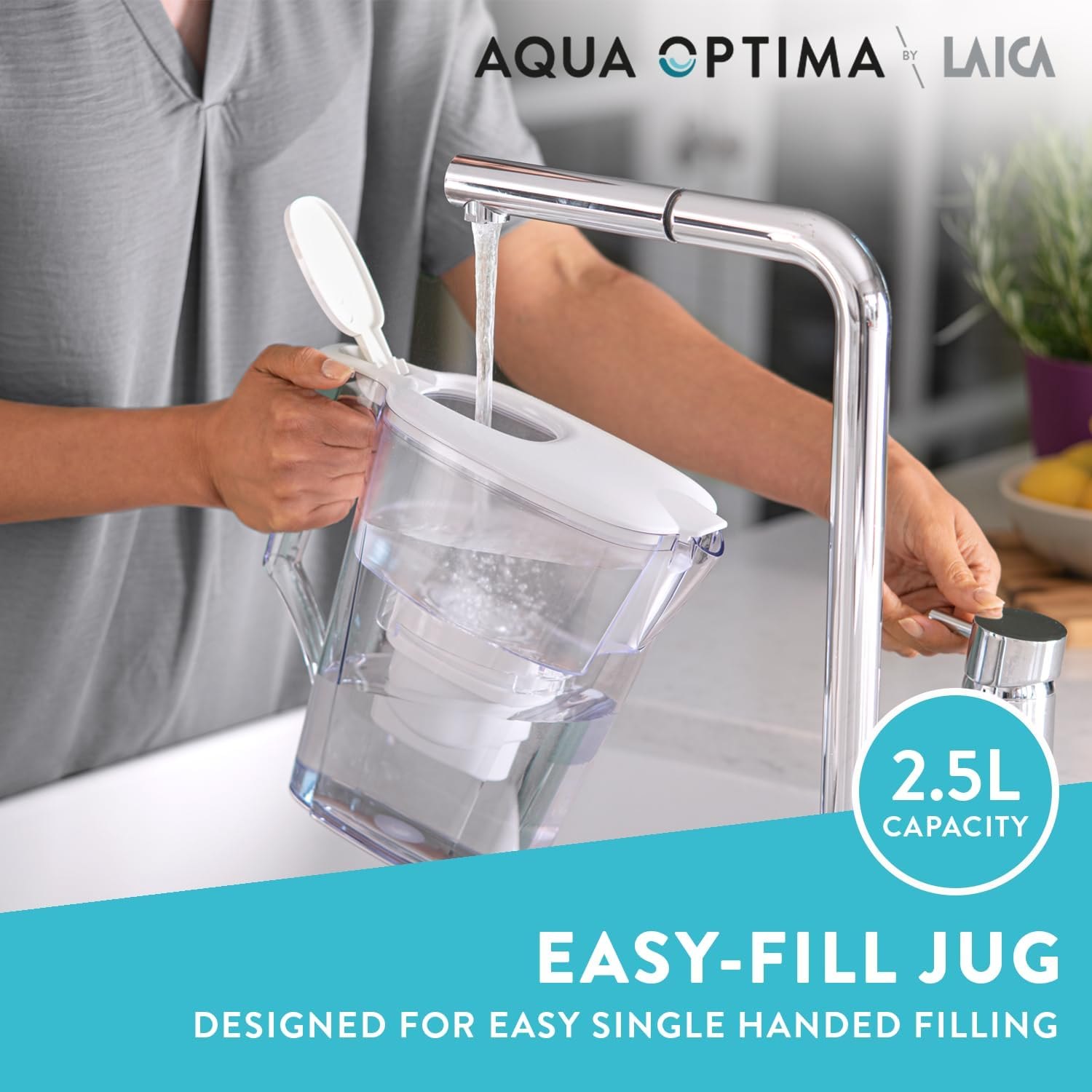
Two and a half litres sounds abstract. In practice it is about a kettle fill for a round of tea, plus a pan of water for vegetables, plus a glass or two. For one or two people that is comfortable. For a family of four on a hot day you will be refilling it a few times, which is normal for a jug of this size.
Remember that part of the capacity sits in the upper reservoir waiting its turn. So the amount you can pour at any given second is less than the full 2.5 litres. The fix is simple. Refill it as soon as you pour, and there is always a jug's worth ready to go.
The flip-up easy fill lid makes that habit easier to keep. You can hold the jug under the tap one handed, which sounds trivial until you are doing it fifteen times a week with a kettle in the other hand.
Cartridges, timing and the thing people get wrong
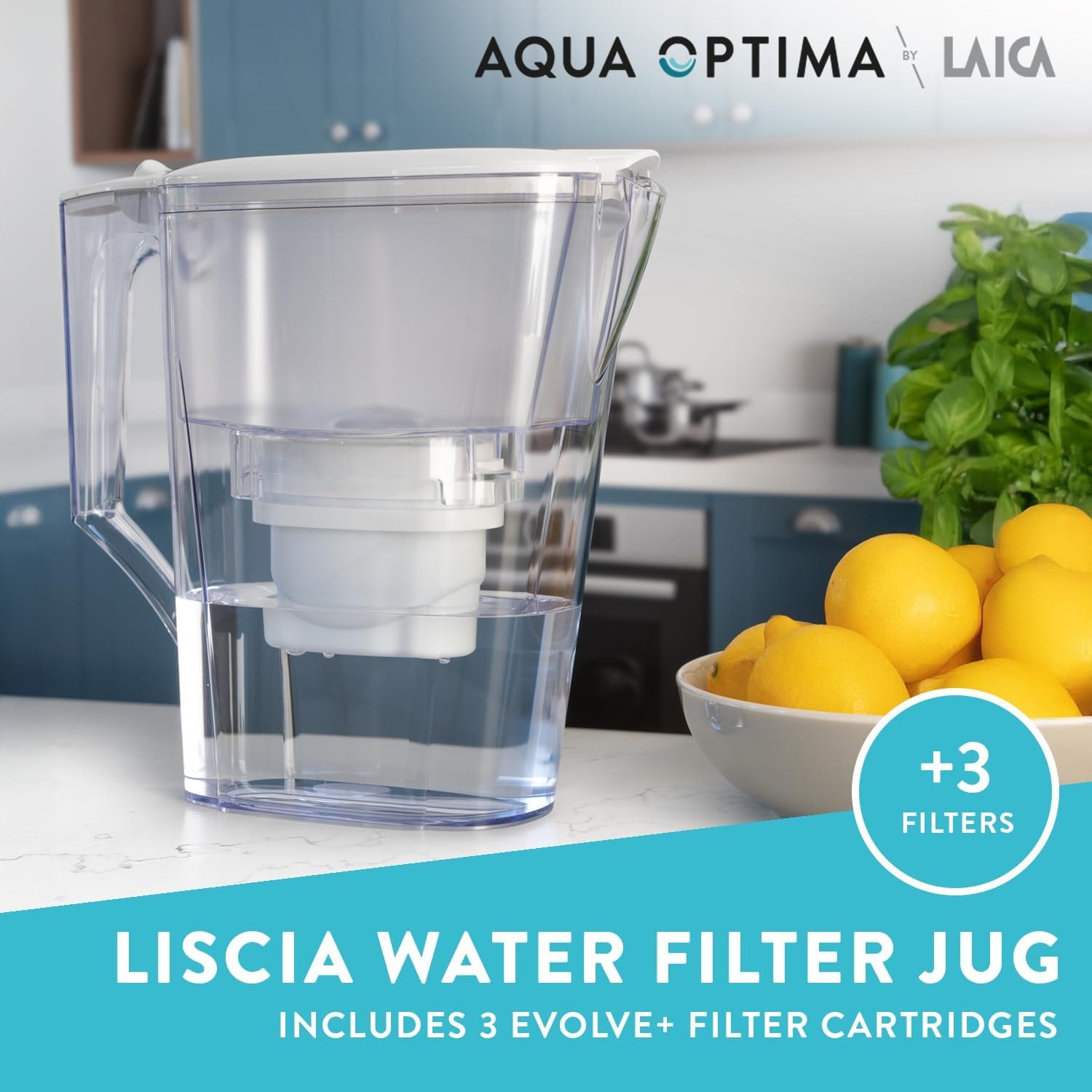
Three cartridges come in the box. Each has a 30 day filter life cycle. That is roughly three months of use before you need to buy more, which is a decent run and means you are not shopping for consumables the week after you unbox it.
The mistake almost everyone makes is stretching a cartridge past its date. The flow gets slower, the taste creeps back, and the jug quietly stops being worth using. A cartridge that is a fortnight overdue is not doing much.
Two habits make this easy. Write the fit date on a kitchen calendar or set a monthly phone reminder. And when you fit the last cartridge in a pack, order the next pack that same day. It costs nothing to do and it is the difference between a jug you use for years and a jug that ends up in a cupboard.
New cartridges need a quick preparation step, which the included user manual covers. Do it properly. It is also normal for the first jugful from a fresh cartridge to look slightly grey, which is fine carbon dust. Tip the first couple of jugs onto the houseplants and carry on.
Keeping it clean
A filter jug is a container that holds standing water, so it deserves the same treatment as a water bottle. Rinse the jug, lid and reservoir in warm soapy water once a week or so. The lid hinge and the spout are the spots that collect residue, so give those a little extra attention.
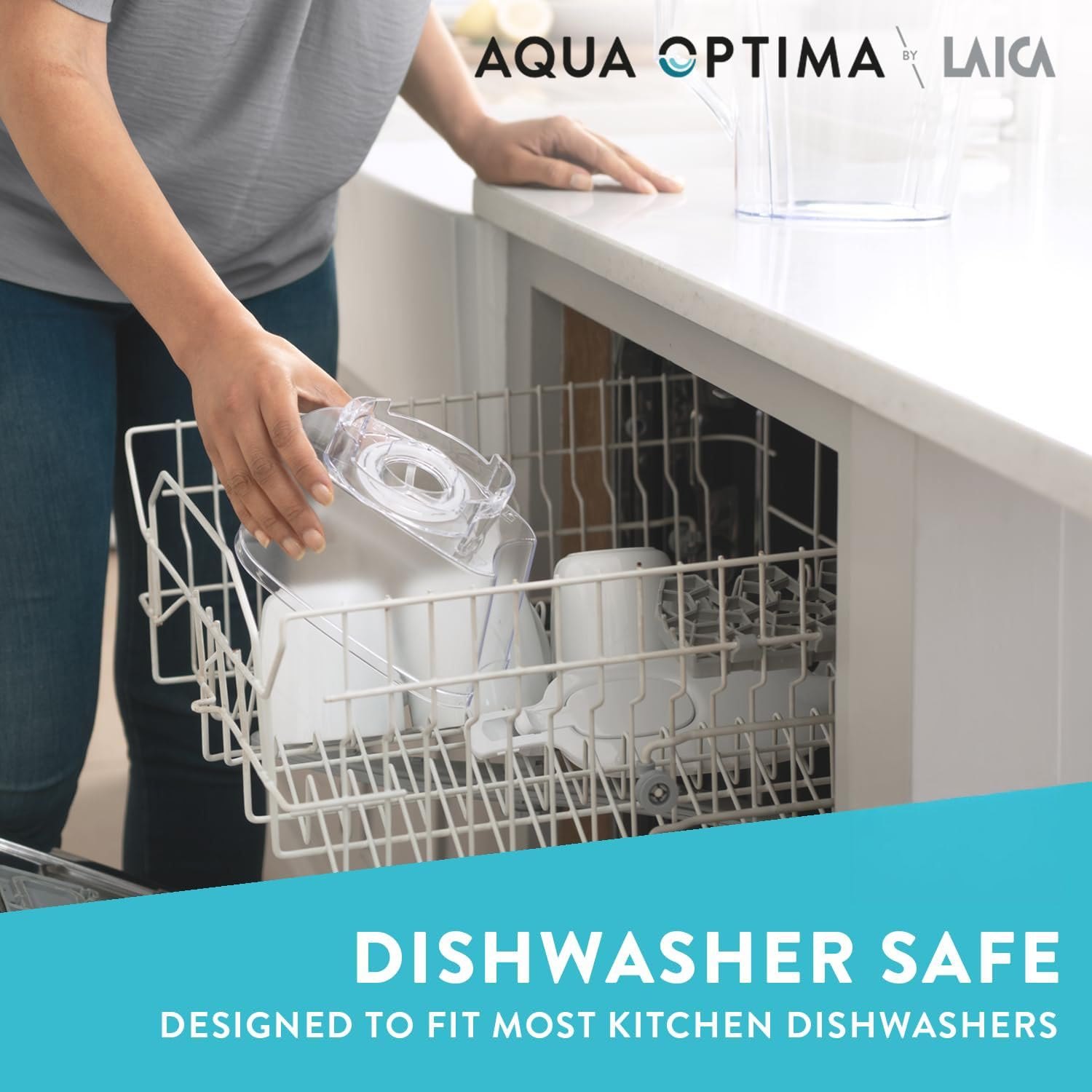
The body is dishwasher safe, so if you would rather put it on the top shelf once a week, that works too. Take the cartridge out first.
If you are going away for more than a few days, empty it, take the cartridge out and let everything dry. Water sitting in a warm jug for a fortnight is not pleasant to come home to. Fit a fresh cartridge when you return and run the first fill to waste.
Who it suits, and who it does not
This jug makes sense if your kitchen is short on worktop, if you prefer your water properly cold, and if your main complaint about tap water is the taste. The non electric design means it works anywhere, including a holiday cottage, a campervan with a fridge, or a student flat where plumbing in anything is out of the question.
It makes less sense if you have a large family getting through litres every hour, in which case a bigger dispenser that sits on a shelf will be less annoying. It also makes less sense if your fridge door shelves are unusually shallow, which is worth checking rather than hoping.
And it is not the right tool if you are trying to treat a non mains water source. That needs a different kind of system entirely.
The short version
Get the measurements first. A filter jug only earns its keep if it lives somewhere convenient, and for most people that means the fridge door rather than the worktop.
After that, the details are straightforward. This one holds 2.5 litres, weighs about 1.18 kg empty, uses an activated carbon and ion exchange cartridge designed to reduce chlorine taste and odour and sediment, and arrives with three cartridges at 30 days each. The outer is BPA free plastic and the whole thing is dishwasher safe.
Use it with drinkable mains water, change the cartridge on schedule, rinse it weekly, and it will quietly do its job for a long time.